 Skip to content

Specialized Care
Focused treatment for
OCD & anxiety
to improve your life.
Evidence-based therapy using ERP, ACT, and CFT — tailored to your specific experience, delivered with warmth and without judgment.
- ERP — the gold standard for OCD, every subtype
- Free 15-minute consult, usually within 48 hours
- Covered by most insurance plans — receipts issued after every session
- Virtual across Ontario or in-person in Toronto near Ossington station
You don't have to face
this alone.
If you're living with OCD or anxiety, you know how overwhelming and isolating these conditions can feel. The intrusive thoughts, compulsive behaviours, and persistent worry can take over your life — making even small daily activities feel impossible.
There is real hope — and specialized, evidence-based care exists. Research consistently supports that people with OCD and anxiety can make meaningful progress with the right treatment. We're here to offer that specialized support, and to work alongside you at every step.
& Anxiety
Does Any of This Sound Familiar?
OCD and anxiety show up differently for everyone. Here is what we hear from clients — in their own words.
Living with OCD can feel like…
- A thought gets stuck in your mind and no matter how hard you try, you can't let it go — even when you know it doesn't make sense.
- You feel deeply ashamed of the thoughts you're having — thoughts that feel completely at odds with the person you are or want to be.
- You spend hours checking, counting, re-reading, confessing, or repeating — just to get brief, temporary relief before the anxiety returns.
- You avoid places, people, or activities that might "trigger" you, and your world has slowly become smaller and smaller.
- You've kept your symptoms secret for years because you're afraid of what people would think — or because a past therapist didn't really understand OCD.
- You've been told you "just have anxiety" or are "a worrier" — but something always felt different about what you experience.
Living with anxiety can feel like…
- Your mind races through worst-case scenarios before you've even had your morning coffee — and you can't seem to turn it off.
- Social situations leave you replaying every word you said for hours afterwards, convinced you said something wrong.
- Out of nowhere your heart races, your chest tightens, and you're convinced something is seriously wrong — even when there isn't.
- You constantly Google symptoms, seek reassurance from doctors, and still can't fully believe you're okay — the relief lasts minutes before doubt creeps back.
- You know rationally that your fear is out of proportion — but that knowledge doesn't make the anxiety any less real or any less paralyzing.
- You're exhausted from always being on high alert — anxiety is stealing your sleep, your focus, and your ability to be present in your own life.
If you recognized yourself above, you're in the right place. Specialized support exists, and we'd be glad to talk through what that could look like for you.
Meet Your OCD & Anxiety Specialists
Trained, experienced, and genuinely invested in your care. Browse the team below, or let us help you find the right fit in your free consult.
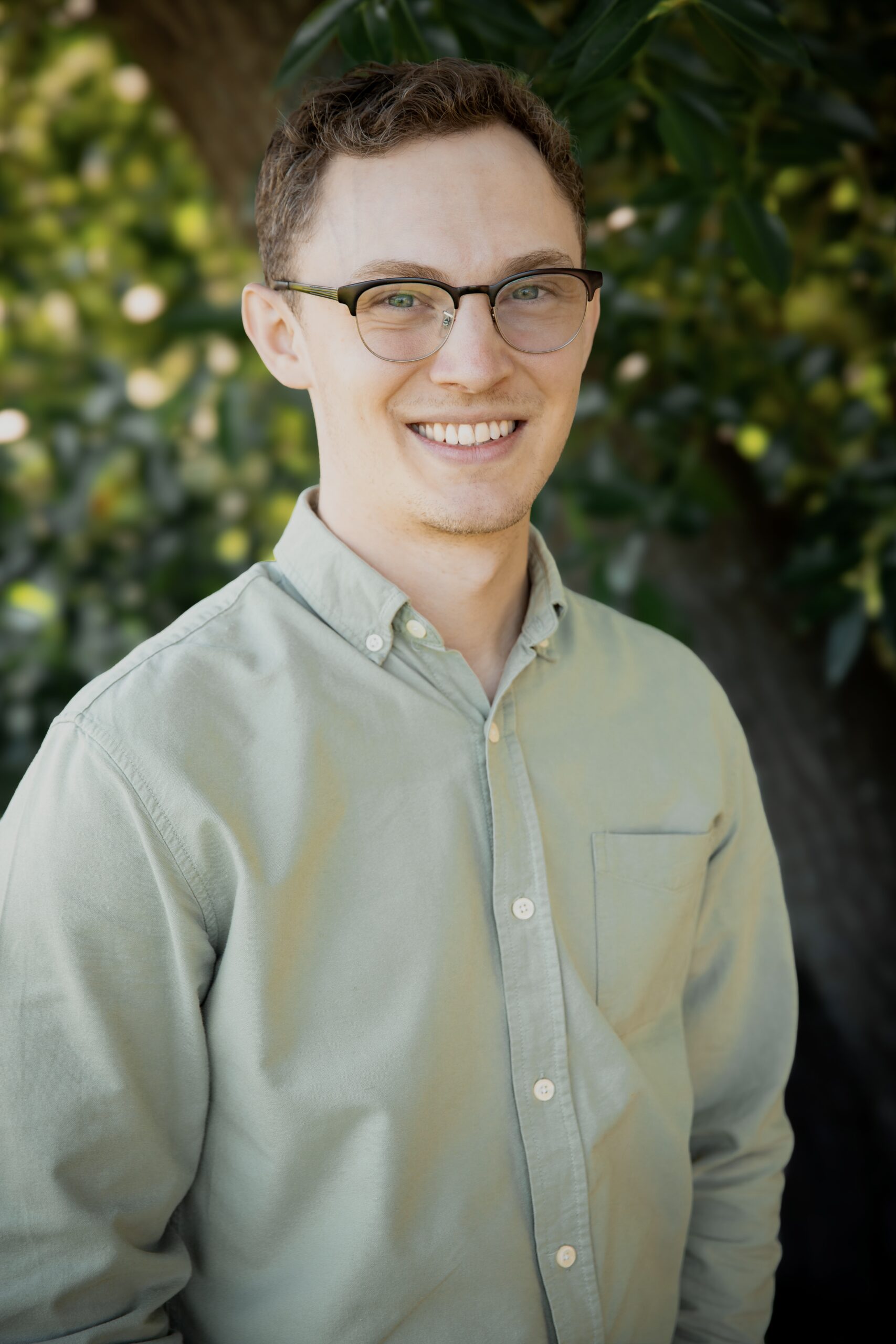
Joel Mayer
MDiv, RP, Certified Clinical Anxiety Treatment Professional (CCATP)
Registered Psychotherapist & Clinical Supervisor
Joel brings focused expertise in ERP alongside a warm, collaborative approach. He works with all OCD subtypes — including Pure-O, ROCD, scrupulosity, and Harm OCD — and integrates ACT and CFT to support a values-centred approach to treatment. He also holds a CCATP certification and provides clinical supervision to other therapists.
Book with Joel
Khadhija Baig
MSW, RSW
Registered Social Worker
Khadhija brings warmth and cultural sensitivity to her practice, with a primary focus on anxiety, depression, and cross-cultural challenges. She takes a collaborative, trauma-informed approach drawing from DBT, motivational interviewing, somatic experiencing, and mindfulness-based practices — creating a space where clients feel genuinely seen, heard, and safe.
Book with Khadhija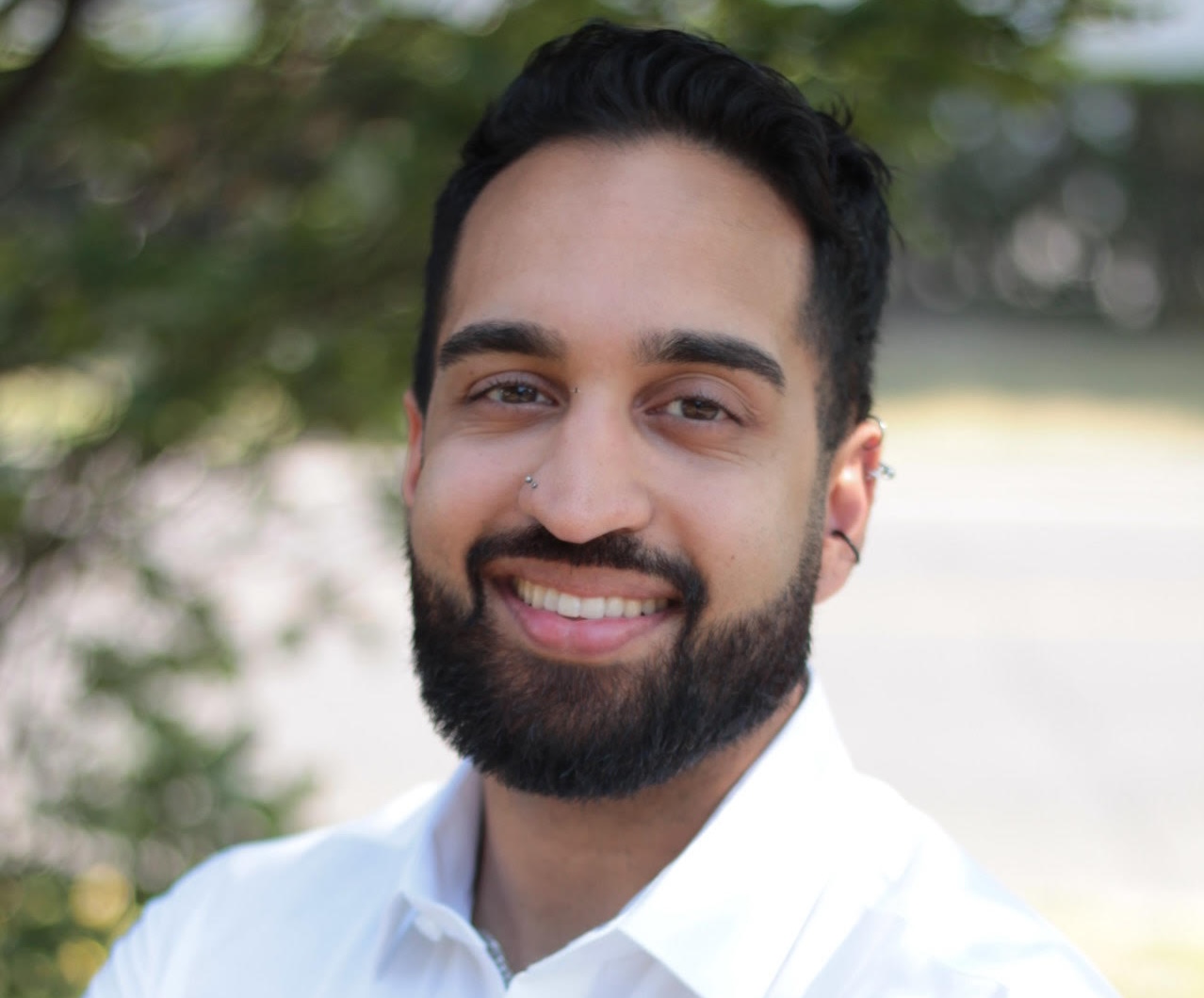
Armaan Amlani-Kurji
RP, RN, BScN, MACP
Registered Psychotherapist & Registered Nurse
Armaan brings an integrated clinical perspective to OCD and anxiety treatment, utilizing a combination of ACT, CFT, and ERP. He is skilled in working across all OCD subtypes and brings particular attentiveness to health anxiety and clients navigating the intersection of physical and mental health.
Book with ArmaanHave you been told it's
"just anxiety"?
One of the most common experiences we hear from clients is that they spent years in therapy — or on medication — without meaningful progress. Often, this isn't because treatment doesn't exist, but because OCD was never correctly identified in the first place.
OCD is frequently missed or mislabelled by general practitioners and even mental health professionals who lack specialist training. The intrusive thoughts that define OCD — especially in subtypes like Pure-O, ROCD, or Harm OCD — are often mistaken for generalized anxiety, depression, or even psychosis.
The consequences of a missed diagnosis are real. People can spend years using coping strategies that inadvertently reinforce OCD, when what's needed is a specialist who knows the difference — and knows how to treat it appropriately.
If something has always felt different about your experience, it's worth speaking to someone who specializes in this area. A free consultation is a low-barrier place to start.
Commonly Mistaken for General Anxiety
OCD involves a distinct cycle of obsessions and compulsions — not just worry. Without recognizing this cycle, treatment may target the wrong thing entirely.
Pure-O Is Often Invisible to Non-Specialists
"Pure-O" OCD involves primarily mental compulsions — no visible rituals. Without knowing what to look for, these presentations are routinely missed.
Intrusive Thoughts Are Widely Misunderstood
The disturbing, taboo, or violent thoughts of OCD are ego-dystonic — meaning they go completely against who you are. They are not intentions or desires. A trained specialist understands this critical distinction.
Standard Talk Therapy May Not Be Enough for OCD
Exploring and processing intrusive thoughts in traditional talk therapy can unintentionally reinforce OCD patterns. ERP is a distinct and different approach — and that distinction matters.
Conditions We Work With
We specialize in OCD and anxiety — across the full spectrum of subtypes and presentations, including complex and long-standing cases.
OCD Subtypes
All presentations of OCD, including the less commonly recognized subtypes:
- Contamination fears & cleaning/washing compulsions
- Harm OCD & checking behaviours
- Relationship OCD (ROCD)
- Sexual orientation OCD (SO-OCD)
- Moral & religious scrupulosity
- Symmetry, ordering & "just right" OCD
- Pure-O (primarily mental compulsions)
- Existential & somatic OCD
- Postpartum OCD
- Health / illness OCD
Anxiety Disorders
Specialized care for the full range of anxiety presentations:
- Generalized Anxiety Disorder (GAD)Persistent worry across multiple life areas
- Social Anxiety DisorderFear and avoidance of social situations
- Panic DisorderUnexpected panic attacks and fear of recurrence
- Health AnxietyExcessive worry about medical conditions
- Specific PhobiasIntense fear of objects or situations
- Trauma & PTSDAnxiety rooted in past traumatic experiences
Not sure if what you're experiencing is OCD or anxiety?
That's exactly what a free consultation is for. We'll listen carefully, share our perspective, and answer your questions — with no pressure to commit to anything.
Evidence-Based Treatment
Our specialists draw on three research-supported approaches, combining them thoughtfully to fit your specific presentation and goals.
Exposure & Response Prevention (ERP)
Recognized as the gold standard for OCD by the International OCD Foundation and supported by decades of clinical research, ERP involves gradually and safely approaching feared situations while resisting compulsive responses. It is among the most rigorously studied treatments in mental health — though individual experiences and outcomes will always vary.
Gold Standard for OCDAcceptance & Commitment Therapy (ACT)
Rather than fighting against difficult thoughts and feelings, ACT helps you develop a different relationship with them — one built on acceptance of what you can't control and commitment to actions that align with your values. It is particularly well-supported for anxiety disorders and complements ERP well for OCD.
Values-Driven RecoveryCompassion Focused Therapy (CFT)
Many people with OCD and anxiety experience significant shame and self-criticism that can interfere with progress. CFT supports the development of self-compassion and emotional regulation skills — not as a luxury, but as a meaningful component of sustainable recovery for many people.
Addresses the Shame CycleHow It Works
Getting started is straightforward. Here's what to expect from your first contact through to ongoing treatment.
Free 15-Min Consult
Book online — usually available within 48 hours. We'll discuss your situation and answer any questions to help you decide whether we're the right fit.
Thorough Assessment
Your therapist conducts a careful assessment of your OCD or anxiety presentation to develop a clear, nuanced picture of what you're experiencing — before any treatment begins.
Collaborative Treatment Plan
Together, you and your therapist design a treatment plan drawing on ERP, ACT, and CFT — tailored to your goals, values, and specific presentation.
Ongoing Sessions & Review
Regular sessions, practical between-session strategies, and honest check-ins on your goals — so we can adjust the approach as needed and keep treatment aligned with what matters to you.
What Makes Our Approach Different
Specialist care. Here's what sets PeaceView apart.
Individualized Treatment Plans
Every person's OCD or anxiety is unique. We build plans based on your specific symptoms, goals, and values — not a one-size-fits-all protocol applied without thought.
Collaborative Partnership
You're the expert on your own experience. We bring specialized knowledge and clinical guidance. Together we move at a pace that feels challenging but manageable — always with your consent.
Focus on Values & Meaning
Beyond symptom management, we help you clarify what matters most to you — and support you in taking steps toward a fuller life, even while some difficulty remains.
Practical Skills Between Sessions
You'll learn concrete tools and strategies to draw on between sessions — so therapy is something that lives in your daily life, not just in the hour you're here.
Common Questions
Honest answers to the questions we hear most often.
Still have questions? We'd be glad to talk.
A free 15-minute consultation is a no-pressure conversation — ask us anything about OCD, anxiety, our approach, or what the process looks like.
The Reality of OCD: You're Not Alone
OCD is far more common — and far more treatable — than most people realize. The data tells a striking story.
OCD, Anxiety & Neurodivergence
If you're autistic, have ADHD, or identify as neurodivergent in another way, your experience of OCD and anxiety deserves care that recognizes — and respects — your whole neurotype.
Neurodivergent brains experience OCD and anxiety differently — and deserve care that reflects that.
OCD, ADHD, and autism share overlapping traits and co-occur at rates far higher than most people — and many clinicians — realize. Repetitive behaviours, rigid routines, and intense focus can look similar across all three conditions on the surface, but they often serve very different functions and call for different clinical responses.
For neurodivergent people, this overlap creates a significant risk of missed or incomplete assessment. An autistic person's rituals may be sensory regulation strategies — not compulsions. An ADHDer's avoidance may be driven by rejection sensitivity or executive function differences — not anxiety in the clinical sense. Getting these distinctions right matters deeply for whether treatment is helpful or not.
At PeaceView, we approach every client's presentation with curiosity and without assumptions, holding awareness of how neurodivergence can shape the experience of OCD and anxiety. We adapt standard protocols to meet you where you are — rather than expecting you to fit a predetermined template.
Neurodivergent-Affirming Lens
We recognize that ADHD, autism, and other forms of neurodivergence are not deficits to be corrected — they are neurotypes that shape how anxiety and OCD are experienced, expressed, and treated.
Careful, Nuanced Assessment
We take time to understand the full picture — distinguishing between OCD compulsions, autistic routines, and ADHD-driven avoidance — so treatment is directed at the right thing from the outset.
Adapted ERP for Neurodivergent Clients
Standard ERP may benefit from meaningful modification for autistic individuals — for example, accounting for sensory sensitivities or communication differences. We adapt our approach to you, not the other way around.
No Masking Required Here
You don't need to present yourself in any particular way in sessions. We create space for direct communication, different processing styles, and however you naturally show up.
Neurodivergent and navigating OCD or anxiety?
You deserve a therapist who understands the full picture. A free, no-pressure consultation is a good place to start that conversation.
What the Research on ERP Shows
These figures come from peer-reviewed studies on ERP outcomes. They reflect findings across large research samples — not predictions or guarantees for any individual.
Sources: JMIR / NOCD (2022), IOCDF. These statistics reflect mean outcomes across research populations. Every person's experience is different, and results will vary based on a wide range of individual factors. We do not guarantee specific outcomes.
OCD is not about being neat, clean, or organized. It is a serious mental health condition involving intrusive thoughts and compulsive behaviours that can consume hours of a person's day — and interfere profoundly with the life they want to live.
— Consistent finding across OCD research literature, International OCD Foundation
Speak with a Specialist — Free ConsultTake the First Step
Specialist support exists.
You don't have to wait.
Living with OCD or anxiety is genuinely hard — and you deserve support from someone who understands these conditions in depth. We can't promise a specific outcome, but we can offer specialized, evidence-informed care delivered with honesty and without judgment. A free 15-minute consultation is a no-obligation place to start.

